
Guide to growing the 1/2 price ‘September sown meadow mix’
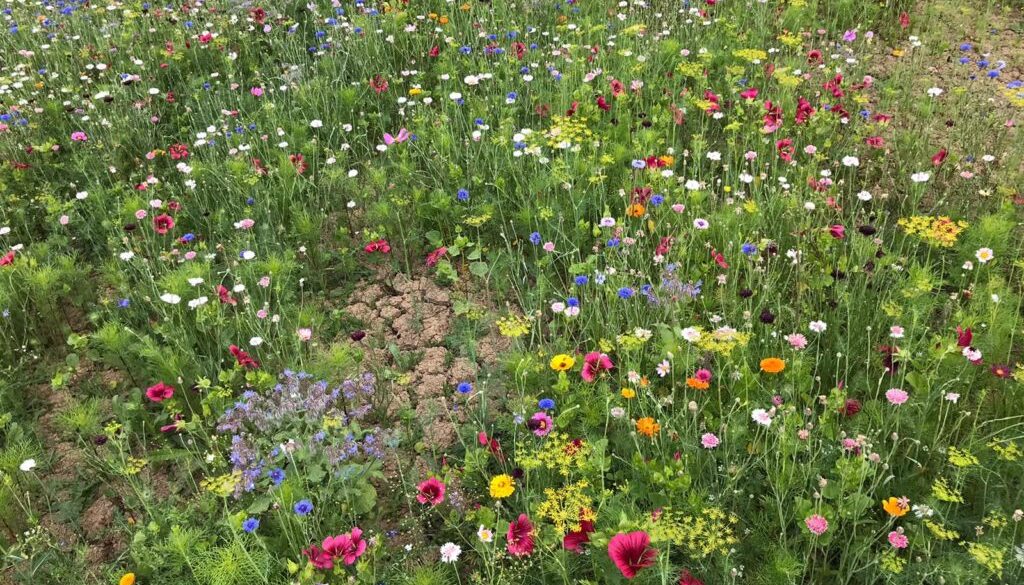
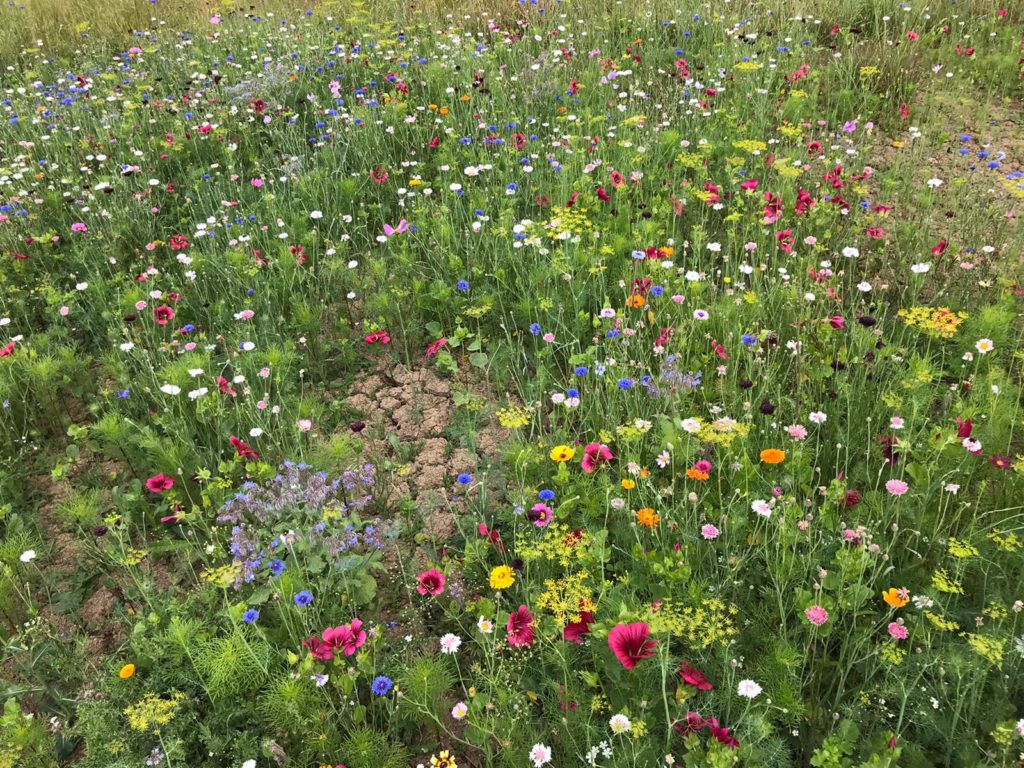
Click to see ‘September Mix’ in the Higgledy Shop.
🌱 Growing Guide: The September Sowing 60g Mix
There’s something quietly smug about sowing in September. While everyone else is tucking into apple crumble and muttering about putting the heating on, you’re out there giving next year’s flowers a head start. By the time spring rolls around, your hardy annuals will be strutting about like they own the place — deep roots, sturdy stems, and blooms weeks ahead of the Johnny-Come-Latelies who sowed in April.
Scatter this mix on freshly raked soil, rake it in, water if you must, and let nature do the heavy lifting. This is gardening at its most delightfully lazy — no neat rows, no pricking out, just a bit of faith and some patience.
Here’s what’s in your magical bag of confetti and why you’ll love each one:
-
Eschscholzia ‘Ivory Castle’
A refined cousin of the classic Californian poppy, ‘Ivory Castle’ trades the brash oranges for a soft, moonlit cream. It’s like the flower equivalent of an elegant summer linen shirt — light, airy, and effortlessly stylish. Loves poor soil, hates being fussed over, and thrives on neglect. Scatter and step back. Bees adore it, and you’ll get a long, frothy display from early summer. -
Eschscholzia ‘Orange King’
The extrovert of the poppy family, ‘Orange King’ doesn’t do subtle. It’s a shot of marmalade sunshine on a grey day, a burst of festival bunting in plant form. Like its ivory sibling, it thrives in thin, sandy soil and resents mollycoddling. Plant it where you want a punch of pure joy. -
Cerinthe major purpurascens
This one’s a show-stealer. Waxy, silvery-blue foliage, drooping purple-blue bracts, and a hint of wild Mediterranean charm. Cerinthe is both sophisticated and a bit of a rebel — the horticultural equivalent of someone who wears a velvet jacket to the pub. Bees go bananas for it, and it’s brilliant in a cutting patch. Self-seeds politely, so you may see it again next year. -
Climbing Nasturtium
Nasturtiums are the cheeky rogues of the garden — edible, abundant, and forever plotting to clamber up something. The climbing type will happily scramble through shrubs, over fences, or along trellises. Flowers range from butter-yellow to spicy red. Leaves and flowers are peppery and can be lobbed into salads if you’re feeling chef-y. Not frost hardy, so it’s a bonus flourish for southern gardeners from a September sowing. -
Calendula ‘Ice Maiden’
Pale lemon petals with a hint of cream — ‘Ice Maiden’ is fresh and gentle, like morning light in May. She’s an easy-does-it type, flowering her socks off for months, shrugging off pests, and generally minding her own business. Deadhead to keep her going, or let her set seed for a volunteer encore next year. -
Calendula ‘Art Shades’
The bohemian aunt of ‘Ice Maiden’ — earthy oranges, golds, and apricots all mixed together like a sunset gone a bit wild. Tough as boots, endlessly useful for cutting, and a top-notch pollinator plant. If you’ve got the space, let some self-seed and see what delightful colour variations pop up. -
Cosmos ‘Sensation’ (a non-hardy guest star)
Tall, feathery, and utterly charming — cosmos is the plant that waves at you from across the garden. ‘Sensation’ gives you big, daisy-like flowers in white, pink, and carmine. September sowings are a gamble unless you’re in the mild South West, but if they overwinter, you’ll be ahead of the game. Otherwise, treat them as a happy spring addition. -
Cornflower ‘Blue Ball’
The true blue cornflower, beloved of cottage gardens and bee photographers. Upright, unfussy, and the colour of an English summer sky on a good day. Perfect for cutting — in fact, they last surprisingly long in a vase if you pick them just as the buds are opening. -
Cornflower ‘Black Ball’
Sultry, velvety, almost chocolatey in tone — ‘Black Ball’ is the mysterious one at the garden party. Mix it with lighter blooms for a bit of drama, or plant in big sweeps for a moody, romantic border. Just as easy-going as its blue cousin. -
Cornflower ‘Classic Romantic’
A soft mix of pinks, whites, and blushes — the romantic cousin who’s always floating about in chiffon. Brilliant for weddings, for softening bold plantings, or just for looking ridiculously pretty in jam jars. -
Dill ‘Mammoth’
Not just for the herb patch — dill’s ferny, airy foliage is a cracking filler in bouquets, and the yellow umbels bring a touch of sunshine. Plus, you can snip the leaves for cooking. Swallowtail butterflies are fond of it, so you’re planting for beauty and biodiversity. -
Nigella ‘Oxford Blue’
Love-in-a-Mist at its most intense — a deep, almost Mediterranean blue, surrounded by that wonderful feathery foliage. Seed pods are just as pretty as the flowers, and they dry beautifully for winter arrangements. Will self-seed if allowed, so you’ll likely see it pop up again. -
Nigella ‘Persian Jewels’
A more colourful Nigella mix — blues, pinks, purples, and whites, all with those lacy green fronds. It’s like a box of pastel macarons, but without the calories. Flowers and seed pods both earn their keep. -
Gypsophila ‘Covent Garden’
Airy clouds of white — the perfect “bridal veil” filler for bouquets, or for softening bold blocks of colour in the garden. Will happily grow in poorer soils, needs very little attention, and brings a touch of old-fashioned charm. -
Ammi visnaga
The sophisticated cousin of cow parsley — large, domed umbels that are strong enough for cutting, yet still ethereal. Excellent for adding structure and height. Loved by beneficial insects, especially hoverflies. -
Larkspur ‘Imperials’ & ‘Hyacinth Mix’
The stately spires of larkspur add vertical drama. ‘Imperials’ give you a formal, upright look; the ‘Hyacinth Mix’ is more ruffled and romantic. Colours range from pastel pinks and blues to rich purples. Sow in September and you’ll have tall, sturdy plants by early summer.
Sowing Tips for Success
-
Aim to sow in the first half of September for best overwintering.
- 60g covers 20 square meters.
-
Rake your patch to a fine tilth — think crumble topping, not gravel driveway.
-
Scatter evenly, rake in lightly, and water if dry.
-
Keep weeds in check until your seedlings are up and running.
-
Resist the urge to overfeed — hardy annuals prefer leaner soil.
Come June, you’ll be smugly wandering your flower patch, coffee in hand, basking in the approving buzz of bees and the quiet admiration of passers-by.
Click to see ‘September Mix’ in the Higgledy Shop and to check out the 14 varieties.
Happy sowing one and all! :)
Best wishes
Ben